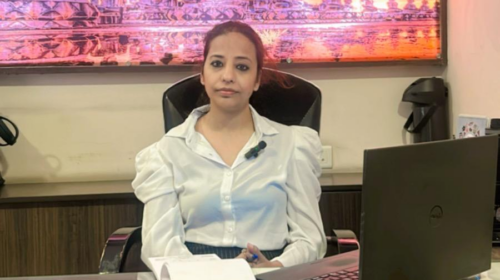
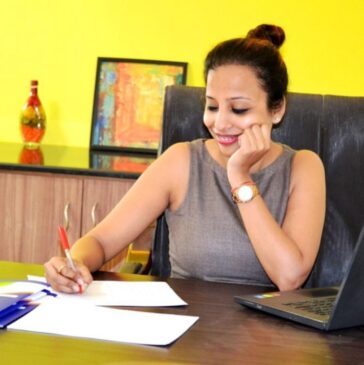
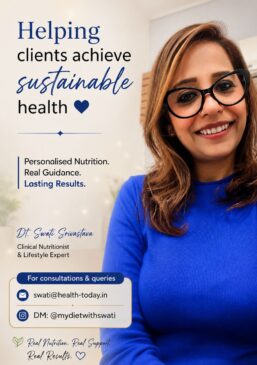
At BrilliantRead Media, we always strive to bring meaningful and powerful stories from India and around the world to empower and motivate our growing community. As part of this endeavour, we invited Swati Srivastava for an exclusive interview with us. Swati is a Clinical Dietitian, Nutritionist and an Influencer. Let’s learn more about her background, journey and her advice for our community!
Excerpts from our exclusive interview with Swati:
What inspired you to become a clinical dietitian, and how has your approach evolved over the past 20 years?
I was always fascinated by how food has the power to heal, prevent disease, and improve quality of life. In fact, I still remember being in Grade 9, somewhere around 1992–93, when nutrition was not really considered a popular or glamorous field the way it is today. My biology teacher had assigned us a project, and I created a file titled “Let Thy Food Be Thy Medicine.”
Even at that young age, I felt deeply connected to the idea that food could influence health so powerfully. Looking back, I think that was the beginning of my journey into nutrition.
Over the years, working closely with people across age groups and medical conditions taught me something important nutrition is not about strict dieting or temporary fixes. It is about building sustainable habits and improving overall well-being.
My approach has evolved significantly. Earlier, the focus was more on calorie counting, but today, I look at the bigger picture: lifestyle, stress, gut health, emotional eating, sleep quality, and long-term behavioural change.
I strongly believe in practical, realistic, and science-based nutrition that people can follow for life without feeling restricted or overwhelmed.
With so much misinformation around nutrition today, how do you stay rooted in science while guiding your clients?
I rely heavily on evidence-based nutrition, updated scientific research, clinical experience, and continuous learning. Trends on social media may change every few months, but human physiology does not change overnight.
Whenever I recommend something, I evaluate whether it is sustainable, nutritionally balanced, and medically appropriate for that individual. One of the biggest responsibilities I see as a dietitian is educating clients to question extreme claims and understand that there is no one-size-fits-all diet.
Nutrition should empower people, not confuse them.
You emphasise ‘real food, real results’; what does that practically look like for someone struggling with weight loss?
For me, real food, real results means going back to simple, balanced, home-style eating rather than depending on supplements, detoxes, starvation, or unrealistic food restrictions.
When someone is trying to lose weight, I focus on balanced portions, adequate protein, fibre-rich foods, hydration, mindful eating, and consistency. The idea is not to make someone fear food or stop enjoying life.
People should be able to enjoy family meals, social occasions, and regular foods while still achieving their health goals. Sustainable weight loss happens when healthy eating becomes a lifestyle, not punishment.
What are the biggest mistakes people make when trying to lose weight, especially with fad diets?
One of the biggest mistakes is chasing quick fixes. People often skip meals, follow highly restrictive diets, eliminate entire food groups, or expect dramatic results overnight.
The problem with fad diets is that they may show temporary weight loss, but they are usually difficult to maintain. Over time, they can slow metabolism, increase cravings, and lead to frustration or weight regain.
Many people also underestimate the role of sleep, stress management, and movement in maintaining a healthy weight. Weight loss is not just about eating less it is about living better.
Gut health is a buzzword today. What are the most overlooked signs of poor gut health people should not ignore?
Most people assume gut problems only mean acidity or constipation, but poor gut health often shows up in unexpected ways.
Symptoms such as bloating, fatigue, skin issues, frequent infections, poor digestion, irregular bowel movements, food intolerances, low energy, and even mood changes can indicate underlying gut imbalance.
Stress and unhealthy eating patterns can silently affect gut health over time, which is why it is important to pay attention to early signs instead of ignoring them.
How do you approach gut healing differently from generic diet plans?
Gut healing is never generic; it is highly individualised.
Before recommending any plan, I try to understand the root cause. It could be stress, poor eating habits, food intolerances, medication history, infections, or lifestyle imbalance.
Instead of quick symptom relief, I focus on long-term healing through balanced meals, proper hydration, adequate fibre, meal timing, and when necessary, probiotics or prebiotics. The goal is to support digestion gradually and restore balance in a sustainable way.
You advocate ‘no fad diets’; why do you believe most diets fail in the long run?
Most diets fail because they are simply unrealistic.
If a diet cannot fit into someone’s daily life, work schedule, cultural habits, or social environment, it becomes difficult to sustain. Restrictive approaches often create fear around food rather than a healthy relationship with it.
Real health comes from consistency, flexibility, and balanced habits not temporary challenges or extreme rules. People need sustainable systems, not short-term suffering.
How do you balance cultural food habits with modern nutrition science, especially for Indian clients?
I strongly believe Indian food, when balanced correctly, is incredibly nutritious.
I do not believe in completely westernising diets. Instead, I help clients make smarter adjustments within their existing eating habits, whether that means portion control, healthier cooking methods, meal timing, or balancing nutrients better.
Rotis, dal, rice, curd, vegetables, and regional foods can absolutely be part of a healthy lifestyle. Nutrition should feel familiar, enjoyable, and practical, not disconnected from culture.
Working with clients globally, including NRIs, what are the most common lifestyle challenges you see across geographies?
Interestingly, no matter where people live, the struggles are often very similar.
Stress, irregular routines, emotional eating, poor sleep, sedentary lifestyles, and dependence on processed foods are common challenges globally.
For NRIs, additional struggles often include demanding work schedules, eating out frequently, and balancing traditional food habits while adapting to a different lifestyle. The solution lies in creating realistic systems that fit into their everyday routine rather than expecting perfection.
Can you share a transformation story that truly reflects your philosophy of sustainable health?
One client came to me after trying multiple crash diets and experiencing only temporary success.
Instead of focusing solely on rapid weight loss, we worked on meal balance, consistency, better sleep, and improving the relationship with food.
Over time, the client not only lost significant weight but also experienced improved digestion, better energy levels, healthier blood sugar markers, and greater confidence.
What made this transformation meaningful was not just the weight loss; it was the fact that the results were sustainable and achieved without extreme restrictions.
If someone feels confused about where to begin their health journey, what are the first three simple steps you recommend?
I always recommend starting small and focusing on the basics:
1. Eat regular, balanced meals instead of skipping food or following random diets.
2. Strengthen your fundamentals: sleep well, stay hydrated, and include daily movement.
3. Prioritise consistency over perfection. Small sustainable habits always outperform extreme short-term efforts.
Health is not built overnight. It is built one habit, one meal, and one mindful choice at a tim
At BrilliantRead, we don’t just share startup stories; we bring you journeys that challenge perspectives, spark ideas, and fuel ambition. Every story we feature is carefully chosen to add real value, inspire action, and ignite possibility within our growing community of entrepreneurs and dreamers.
If you have a powerful story, one that can inspire, educate, or create impact, we want to hear from you.