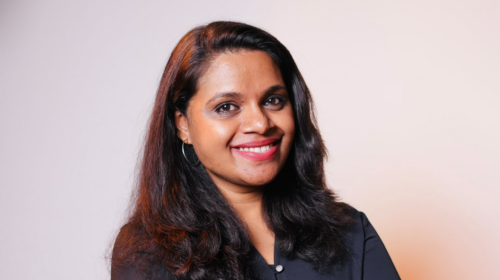
At Brilliant Read Media, it is our constant endeavour to discover and share inspiring stories of individuals who are making a meaningful difference through their work, expertise, and entrepreneurial journeys. As part of this endeavour, we are delighted to feature Dt. Ranjani Raman, a Dietitian, Nutritionist, Nutrition Therapist, Certified Diabetes Educator, and the Founder of Nutrition Tattva.
With over 15 years of experience in nutrition and wellness, Ranjani has dedicated her professional journey to helping individuals make informed dietary choices and achieve sustainable health transformations. Through her expertise in personalised nutrition, gut health, diabetes care, and therapeutic nutrition, she continues to make nutrition science-backed, practical, and accessible to people across the globe.
Let’s learn more about her professional journey, entrepreneurial experiences, philosophy towards personalised nutrition, and valuable advice for our growing community!
Excerpts from our exclusive interview with Ranjani;
Could you take us through your professional journey as a Dietitian and Nutritionist? What inspired you to pursue a career in nutrition, and what motivated you to dedicate over 15 years to helping people achieve better health and wellness?
My initial transition from a corporate career to becoming a Dietitian and entrepreneur happened by chance rather than by choice. I had completed my Master’s in Nutrition and initially wanted to pursue something alongside my corporate career. However, as I started working with individuals on their health goals, I gradually realised that true joy, satisfaction, and fulfilment came from making a direct impact on people’s lives.
Seeing individuals feel better, improve their health, and experience positive transformations became a tremendous source of motivation for me. That was when I consciously decided to pursue this path wholeheartedly and completely immerse myself in the health and wellness industry, eventually bidding goodbye to my corporate career.
I remain genuinely grateful for my corporate experience because it taught me valuable lessons and helped shape the professional I am today. Looking back, what began as an unexpected opportunity gradually became my purpose.
Every individual has different nutritional needs, lifestyle habits, and health challenges. How do you approach personalised nutrition, and why do you believe a one-size-fits-all diet plan is not the right solution for sustainable health?
In my experience of over 15 years, I have realised one fundamental truth: every individual is unique. No two individuals have exactly the same body type, health status, body composition, energy levels, cultural background, professional commitments, physical activity levels, or mindset.
People are different, and their nutritional requirements are equally different. Therefore, it is important to understand an individual’s lifestyle, challenges, preferences, and health goals before designing a nutrition plan. I strongly believe in entering their world, understanding their circumstances, and offering solutions that genuinely work for them.
Whether the objective is weight management or disease management, every individual has a different mindset, behavioural pattern, and relationship with food. These aspects need to be understood before developing a nutrition strategy.
Following generic advice or template-based diet plans without considering individual requirements can have unintended consequences, as every person’s body responds differently. Since the beginning of my career, I have been very clear about one thing: nutrition must always be personalised, with goals and interventions tailored to each individual.
Weight loss is often associated with restrictive diets, calorie counting, and quick-fix solutions. Based on your experience, what are some of the biggest misconceptions people have about weight management, and what does a healthy, sustainable weight-loss journey actually look like?
One of the biggest misconceptions is that weight loss requires a magic solution, complicated recipes, or shortcuts. This is simply not true.
Another common misconception is that weight management is entirely about counting calories. Constant calorie tracking can sometimes have a psychological impact, making people anxious about food and taking away the joy of eating. Similarly, restrictive or extreme diets are often counterproductive. They can lead to cravings, overeating, and even weight regain.
A healthy and sustainable weight-loss journey begins with accepting that weight management is a process that requires time and consistency. Starvation and extreme restrictions do not lead to healthy weight loss. The focus should instead be on nourishing the body appropriately and adopting eating habits that complement an individual’s lifestyle.
Personalisation plays a crucial role here. Equally important is the mindset behind the journey. Individuals should be encouraged to develop a positive outlook, practise constructive self-talk, and avoid treating weight loss as a stressful experience.
Ultimately, weight loss goes beyond calorie counting. There is a real person and a real body behind every health goal. Understanding both and working with them holistically is what makes the journey healthier and more sustainable.
Gut health has become an important topic in conversations around overall wellness. How does gut health influence digestion, immunity, metabolism, and overall well-being? What everyday dietary habits can individuals adopt to improve their gut health?
Gut health is one of my personal favourite areas of nutrition. At Nutrition Tattva, we have a dedicated programme called Gut Nutrition Therapy, through which we primarily work with individuals experiencing different digestive disorders.
In my experience, I have observed that when gut health improves, several other health parameters can improve as well. A healthy gut plays an important role in supporting overall well-being, which is why it deserves greater attention.
Today, the world is flooded with numerous food products, dietary trends, and wellness recommendations. The first step towards better gut health is to avoid unnecessarily overloading the body with too many foods, supplements, and remedies. It is important to choose foods that have traditionally suited our bodies and keep our diets simple, natural, and balanced.
Experimenting with too many home remedies, concoctions, and quick-fix recipes can sometimes create digestive imbalances. Therefore, I always recommend avoiding unnecessary experimentation and focusing on consistency.
Some everyday habits that can support gut health include:
> Including adequate fibre through whole grains, fruits, and vegetables.
> Maintaining proper hydration, which is often overlooked.
> Choosing simple, minimally processed, and natural foods.
> Avoiding unnecessary dietary experimentation and self-medication.
If digestive symptoms persist or become severe, it is important to consult a gastroenterologist for an appropriate diagnosis rather than self-medicating.
As Dietitians, our role is to develop personalised nutritional interventions based on the diagnosis, as different digestive disorders require different approaches to management.
Metabolic health concerns such as insulin resistance, diabetes, hormonal imbalances, and lifestyle-related disorders are increasingly common. What factors contribute to these conditions, and how can the right nutritional approach help individuals improve their metabolic health?
A sedentary lifestyle, excessive calorie consumption with poor nutritional quality, inadequate sleep, and chronic stress are some of the major factors contributing to metabolic health concerns.
Nutrition plays a fundamental role in maintaining metabolic health. When we regularly consume junk, processed, and refined foods, we often overload our bodies with excess sugar and calories while missing out on essential nutrients such as protein, vitamins, and minerals.
Therefore, one of the first steps is to minimise the regular consumption of processed, packaged, and refined foods while improving the overall nutritional quality of our meals.
The right nutritional intervention can also play an important role in preventing existing metabolic concerns from progressing into more serious health conditions. The objective should always be preventive, focusing on correcting eating habits and improving overall nutrition.
For instance, when blood parameters such as HbA1c or triglyceride levels become elevated, individuals should consider them important warning signs and take proactive steps towards improving their dietary habits.
When appropriate nutritional changes are combined with lifestyle modifications, regular exercise, and daily physical activity, individuals can often improve their metabolic health, manage symptoms, and enhance their overall quality of life.
With social media flooded with trending diets, detox programmes, supplements, and weight-loss hacks, people often struggle to distinguish facts from myths. What are some common nutrition myths you would like to debunk, and how can individuals make more informed food choices?
There are several nutrition myths that I would like people to become more aware of.
First, no juice, detox product, meal replacement, or supplement can magically make someone lose weight. Sustainable weight management requires a consistent and scientifically sound approach.
Second, counting calories and maintaining a calorie deficit do not automatically guarantee nutritional adequacy. The body needs essential nutrients to function properly, and compromising on nutrition in pursuit of weight loss can be counterproductive.
Third, diets that completely eliminate an entire food group, such as carbohydrates or fruits, are generally difficult to sustain and may not support balanced nutrition.
Weight loss is a science. The body needs adequate nutrients to function effectively while losing weight or reducing body fat. Therefore, there should never be a compromise on nutritional quality during the process.
Eating appropriate portions, maintaining suitable meal timings, and combining foods thoughtfully can help individuals meet their nutritional requirements while creating a moderate calorie deficit, wherever appropriate, to support fat loss.
My advice is simple: do not fall for quick fixes or shortcuts. Focus on real food, nutritional balance, and habits that you can sustain over the long term.
You work with individuals across different geographies through global nutrition consultations. How do you customise dietary recommendations for people with different food cultures, lifestyles, and eating habits? Could you share a particularly meaningful experience from your professional journey that reinforced your belief in personalised nutrition?
This is a particularly interesting aspect of my professional journey. Having worked with individuals across different parts of the world, I have become even more convinced that personalised nutrition is essential.
There are several factors that need to be considered while designing a nutrition plan, including food availability, affordability, access to domestic help, workplace facilities such as cafeterias and salad counters, meal timings, climatic conditions, and whether individuals prefer meal preparation or ordering food.
For instance, individuals based in countries such as the UAE, Singapore, and Malaysia may have greater access to domestic help and different food options. On the other hand, people living in the US and Europe may face challenges related to time constraints, limited domestic assistance, and higher food costs.
Therefore, our approach is to make nutrition practical and adaptable to each individual’s circumstances. We also provide guidance on making healthier choices while grocery shopping, travelling, working, and socialising, as these everyday situations play an important role in maintaining consistency.
Even exercise preferences and routines can differ across cultures and geographies. Additionally, differences in dietary patterns and gut microbiome composition make it important to consider individual digestive health.
Working with people across different countries has reinforced my belief that nutrition cannot be restricted to a standardised plan. It must be designed around the individual, their environment, and their everyday realities.
Looking ahead, how do you see the field of nutrition and dietetics evolving? What are the three most important nutritional habits you would recommend people adopt today, and what message would you like to share with individuals who aspire to build a healthier and more balanced lifestyle?
For young Dietitians entering the profession, my advice would be to make thoughtful choices about the people and organisations they work with or collaborate with. Nutrition professionals have a direct influence on an individual’s health, and that responsibility should always remain at the centre of their work.
The ultimate objective of this profession is to help individuals become healthier and improve their quality of life. We should never lose sight of that purpose.
When it comes to everyday nutrition, my top three recommendations are simple and practical:
1. Prioritise Hydration: Hydrate, hydrate, and hydrate! Always carry a water bottle and make sure you drink adequate water throughout the day. Proper hydration is an essential part of maintaining good health, yet it is often overlooked.
2. Choose Real Foods Over Processed Snacks: Replace processed and packaged snacks with healthier alternatives. Instead of regularly consuming biscuits, chips, and namkeens, opt for fruits, nuts, dry fruits, and dark chocolate in appropriate portions.
3. Focus on Balance, Not Extreme Diets: Aim for a balanced plate rather than following restrictive or extreme dietary practices. Wherever possible, include carbohydrates, protein, healthy fats, fruits, vegetables, and fibre-rich foods as part of your daily diet.
My message is to keep nutrition simple, balanced, and consistent. You do not need complicated diets or drastic lifestyle changes to become healthier. Small, mindful choices made every day can create a meaningful and lasting difference.
At BrilliantRead, we don’t just share startup stories; we bring you journeys that challenge perspectives, spark ideas, and fuel ambition. Every story we feature is carefully chosen to add real value, inspire action, and ignite possibility within our growing community of entrepreneurs and dreamers.
If you have a powerful story, one that can inspire, educate, or create impact, we want to hear from you.