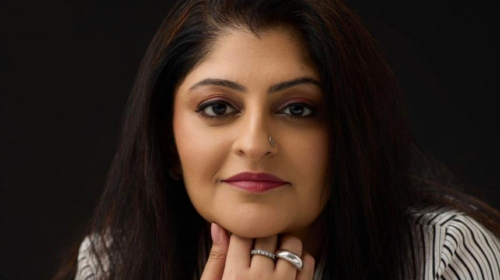
At BrilliantRead Media, we always strive to bring meaningful and powerful stories from India and around the world to empower and motivate our growing community. As part of this endeavour, we invited Ashi Singh for an exclusive interview with us. Ashi is a Trainer, Image & Personal Style Consultant and Founder at Brighter Bee. Let’s learn more about her background, journey and her advice for our community!
Excerpts from our exclusive interview with Ashi:
With 24 years in the corporate world, what inspired you to transition into image consulting and styling for professionals?
After spending over two decades in corporate environments, especially in leadership and learning & development roles, I realised something very powerful: talent alone does not always get noticed.
I saw highly capable professionals being overlooked simply because their appearance, communication, or overall presence did not reflect the value they brought to the table.
At the same time, I noticed that many successful professionals struggled with a very loud inner critic. Sometimes, self-doubt becomes so overpowering that it overshadows knowledge, talent, and achievements. People begin questioning every decision and every step they take, which eventually affects confidence, visibility, and performance at work.
That gap between capability and self-perception deeply fascinated me.
For me, image consulting became much more than fashion or styling. It became a way to help people align their external presence with their inner capability, ambition, and identity. I wanted to help professionals feel seen, respected, and confident without changing who they are.
That vision ultimately led to the birth of Brighter Bee and my journey into image transformation and personal styling.
How has your corporate experience shaped the way you approach personal branding through clothing today?
My corporate experience gave me a very realistic understanding of workplace dynamics, leadership perception, and human behaviour.
Having worked with professionals across levels from frontline employees to senior leadership, one thing became very clear: perception begins before conversation.
When I work with clients today, I do not style them based purely on trends or aesthetics. I style them based on their role, goals, industry, personality, and the message they need to communicate through their presence.
For example, the wardrobe of someone preparing for leadership visibility is very different from someone trying to build approachability, executive presence, or authority.
Clothing is communication, and my corporate background helps me decode what that communication should look like in professional environments.
You often talk about a “promotion-ready style.” What does that really mean, and can clothing influence career growth?
“Promotion-ready style” means dressing in alignment with the level you are moving towards, not just the level you currently occupy.
In professional environments, people subconsciously form opinions based on visual cues before they assess performance. The way someone dresses can communicate confidence, credibility, leadership readiness, attention to detail, and self-respect.
I often say: clothing cannot replace competence, but it can amplify the perception of competence.
When professionals begin dressing with greater structure, clarity, and intention, they often notice changes in how they are treated in meetings, how confidently they communicate, and even how seriously their ideas are received.
A promotion-ready wardrobe is not about expensive clothing. It is about alignment between identity, ambition, and visibility.
What are the most common styling mistakes you see among working professionals, especially those aiming for leadership roles?
One of the biggest mistakes is dressing only for comfort without balancing structure and presence. Comfort matters, but leadership visibility also requires intentionality.
Another common issue is holding onto an outdated version of oneself. Many professionals continue dressing based on who they were five or ten years ago, even though their role, body, lifestyle, and aspirations have evolved.
Fit is another overlooked factor. Even expensive clothing loses impact when the fit is poor. Good tailoring can completely change how polished and confident someone appears.
I also notice inconsistency where clothing, grooming, body language, and communication style do not align with the authority a person wants to project.
Ultimately, image is not built through one item of clothing. It is built through consistency.
Closet edits are a key part of your service. What does a typical transformation look like for your clients?
A transformation begins with understanding the person beyond the wardrobe.
I spend time learning about their lifestyle, work environment, personality, insecurities, aspirations, and the image they want to build.
The closet edit itself is not just about removing clothes. It is about identifying patterns, what they hide behind, what no longer represents them, and what genuinely supports their current identity.
From there, I curate wardrobes strategically by identifying silhouettes, colours, fabrics, and combinations that enhance confidence, simplify dressing, and strengthen visual presence.
Interestingly, most clients describe the transformation as emotional before fashionable. They begin feeling more like themselves, only clearer, stronger, and more intentional.
How can someone build a powerful work wardrobe without constantly buying new clothes?
A powerful wardrobe is built through strategy, not excess.
Most people do not need more clothes; they need better coordination and clarity.
When people understand their best colours, ideal silhouettes, and wardrobe gaps, they naturally stop making impulsive purchases.
I always recommend investing in versatile foundational pieces that can be repeated in multiple ways. A well-curated wardrobe creates more combinations with fewer items.
Fit, grooming, fabric quality, and styling often make a bigger difference than quantity.
The goal is not to own the most clothes; the goal is to make every piece work intentionally for your lifestyle and professional image.
In your experience, how closely is personal style linked to confidence and workplace presence?
Very closely.
When people feel disconnected from their appearance, it often reflects in their body language, communication, and energy. They may hesitate more, avoid visibility, or struggle with self-expression.
I have seen highly capable professionals constantly second-guess themselves because their inner critic is louder than their confidence. Even when they are accomplished, they struggle to own their presence fully.
On the other hand, when someone feels aligned with how they present themselves, there is a noticeable shift. They become more expressive, visible, and self-assured.
Style is not superficial; it affects psychology, behaviour, and self-perception.
I have seen professionals speak more confidently in meetings, show up stronger on camera, and even pursue bigger opportunities after refining their image and presence.
How do you help clients align their inner identity with their external image?
I begin by understanding who they truly are and how they want to be perceived.
Many people are carrying an external image built out of habit, insecurity, convenience, or survival. My role is to help them intentionally rebuild that image in a way that still feels authentic.
I work with clients on clothing, grooming, body language, communication cues, and overall self-presentation. But more importantly, I help them become conscious of the message they are sending before they even speak.
A large part of transformation also involves helping clients quiet self-doubt and reconnect with their strengths. Because when someone internally feels worthy, capable, and aligned, it naturally reflects in the way they dress, communicate, and occupy space.
The goal is never to create a fake version of someone. It is to help their external presence reflect their real capability, personality, and aspirations more accurately.
What is the difference between fashion styling and image transformation?
Fashion styling is primarily focused on clothing and aesthetics what looks visually appealing or trend-driven.
Image transformation goes much deeper. It is about aligning a person’s external presence with their identity, ambitions, lifestyle, and how they want to be perceived.
When I work with clients, I am not simply selecting outfits. I am understanding who they are, where they feel disconnected, and what version of themselves they are growing into.
Sometimes, the real transformation has very little to do with fashion. It may involve rebuilding confidence, improving executive presence, strengthening communication, or stepping out of an outdated identity.
Clothing becomes a tool within that transformation, not the transformation itself.
That is why I see my work as identity alignment rather than just styling.
Who usually approaches you for transformation, and what are they struggling with beneath the surface?
A large part of my clientele includes working professionals, senior leaders, entrepreneurs, and women returning to work after major life transitions.
On the surface, they may say they need help with wardrobe or styling. But beneath that, the struggle is often much deeper.
Some feel invisible despite being highly capable. Others struggle with confidence after career breaks, motherhood, burnout, leadership transitions, or body changes.
I also work with professionals who are exceptionally competent but carry constant self-doubt internally. Their inner critic becomes so loud that they begin second-guessing their own presence and worth despite having the experience and capability.
What they are truly seeking is not just better clothing; they are seeking alignment, confidence, clarity, and the ability to show up more authentically and powerfully.
What does executive presence really mean beyond clothing?
Executive presence is the ability to make people feel your confidence, clarity, and credibility before you even begin speaking.
Clothing certainly plays a role, but true executive presence goes far beyond appearance. It includes body language, communication style, emotional composure, self-awareness, energy, and the ability to command space authentically.
I have seen talented professionals struggle to create impact simply because they unconsciously shrink themselves through hesitation, poor posture, or lack of visibility.
Executive presence is ultimately about alignment when your appearance, confidence, communication, and energy all support the message you want to communicate.
In today’s professional world, especially in hybrid environments, presence has become just as important as performance.
People may remember your work, but they also remember how you made them perceive you.
What are your top three must-have pieces for a “promotion-ready” wardrobe in today’s hybrid work culture?
First, a well-fitted structured blazer or layering piece. It instantly creates polish and authority, especially in meetings and presentations.
Second, versatile elevated basics in strategic colours that can transition across meetings, travel, networking events, and virtual calls.
Third, strong finishing elements: footwear, bags, eyewear, grooming, and overall presentation. These details communicate professionalism far more than people realise.
In hybrid work culture, visibility has reduced, which means every appearance carries more impact. Intentional dressing matters even more today.
For professionals who feel stuck in their style, what is the first small step they can take to upgrade their image?
The first step is awareness.
Most people continue repeating the same style habits without questioning whether those choices still represent who they are today.
I encourage professionals to stand in front of their wardrobe and ask one simple question:
“Does this reflect the person I am becoming?”
Even one small change improving fit, refining grooming, choosing more intentional colours, or upgrading basics can begin shifting self-perception.
Transformation does not happen overnight. It starts with becoming intentional instead of automatic.
At BrilliantRead, we don’t just share startup stories; we bring you journeys that challenge perspectives, spark ideas, and fuel ambition. Every story we feature is carefully chosen to add real value, inspire action, and ignite possibility within our growing community of entrepreneurs and dreamers.
If you have a powerful story, one that can inspire, educate, or create impact, we want to hear from you.