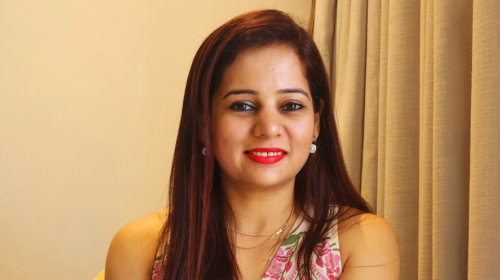
Interview with Janhavi Haibat | Perimenopause and Hormone Wellness Coach | Nutritionist | Author of The Healing Hormones Handbook | Founder at Fit with Janhavi
At BrilliantRead Media, it is our constant endeavour to identify and share inspiring, insightful and compelling stories of individuals who are making a meaningful difference through their work and experiences. As part of this endeavour, we invited Janhavi Haibat for an exclusive interview with BrilliantRead Media.
Janhavi is a Perimenopause and Hormone Wellness Coach, Nutritionist, Author of The Healing Hormones Handbook and Founder of Fit with Janhavi. Through her personal transformation, professional expertise and holistic approach to wellness, she is empowering women to understand their bodies, navigate hormonal changes and embrace sustainable lifestyle practices.
Her journey is a testament to resilience, self-discovery and the power of consistent lifestyle changes. Through her signature SHIFT Method™, she aims to make women’s hormonal health and preventive wellness more accessible, particularly for women navigating their 30s, 40s and beyond.
Let’s learn more about her background, inspiring journey, professional experiences, vision and valuable advice for our growing community!
Excerpts from our exclusive interview with Janhavi;
Could you share your personal and professional journey and what inspired you to become a nutritionist, hormone wellness and perimenopause coach? Was there a particular experience that motivated you to help women navigate their health and wellness journeys?
My journey into health and wellness is deeply personal. I entered this profession through my own struggles, setbacks, health challenges and transformation, rather than simply out of a passion for fitness or nutrition.
I lost my mother when I was just 20. It was a huge emotional setback, and I didn’t know how to process my grief. I started suppressing my emotions, neglecting my health and relying heavily on junk food and ordering meals. Within a few months, I gained almost 10 kg.
After graduating, I worked in the corporate sector for around six years across the airlines, travel and tourism industries. With demanding schedules and different shifts, my health gradually took a back seat.
I tried quick weight-loss solutions, including Herbalife shakes. Although I initially lost around 10 kg, I experienced irregular periods, hair loss and dull skin, and eventually regained the weight. For almost 10 years, I remained stuck in that cycle, believing nothing would work for me.
At 34, during the COVID period, I finally decided to take charge of my health. I was more than 20 kg overweight and struggling with elevated blood sugar, high blood pressure, cholesterol, thyroid imbalances, frequent migraines, anxiety, irritability and low confidence.
Through sustainable lifestyle changes, focusing on balanced nutrition, regular movement and exercise, I lost more than 20 kg and improved the health issues I had been struggling with. I was able to discontinue my medications under medical supervision. This transformation taught me the importance of taking ownership of my health.
However, after contracting COVID, I faced another setback. I experienced significant nutritional deficiencies, weakness, heart palpitations, chest discomfort, anxiety and depression. I consulted multiple doctors, understood my deficiencies and gradually began rebuilding my health. It took almost six months to return to regular movement and nearly ten months to establish a consistent exercise routine.
This time, I approached my health differently. I focused on balanced nutrition, strength training, yoga, mindfulness, stress management and improving my sleep. Gradually, I rebuilt my strength, confidence and energy. I went from being relatively sedentary to completing three half-marathons, participating in 10 km races and trekking to the Dayara Bugyal summit at approximately 12,000 feet.
That journey changed my understanding of health. I realised that losing weight is one thing, but learning how to take care of your body and sustain your health is a completely different journey.
My transformation sparked a deeper interest in nutrition, holistic health and women’s hormonal wellness. I pursued professional learning and certifications through Fit Bharat Mission and Fabulous Body, deepening my understanding of the connection between nutrition, hormones, movement, mindset, emotional regulation, sleep and stress.
At 40, as a woman and a mother navigating perimenopause myself, I understand how easily women put themselves last while managing careers, families and responsibilities. I also understand what it feels like to struggle with your health without knowing where to begin or whom to approach.
I eventually decided that if I could transform my own health through small, consistent and sustainable lifestyle changes, I could help other women do the same.
That’s how I built Fit with Janhavi and developed my SHIFT Method™. I also became a published author with my book, The Healing Hormones Handbook, which I launched on my 40th birthday.
Today, I work with busy working women, particularly those aged 35 to 50, helping them navigate perimenopause, hormonal changes, stubborn weight gain, low energy and lifestyle-related health challenges.
Over time, I have supported clients dealing with thyroid concerns, PCOS, insulin resistance, diabetes, cholesterol issues, digestive and gut health problems, postpartum challenges, perimenopause, emotional eating and weight management.
Seeing clients make meaningful progress, improve their everyday habits and regain confidence reinforces why I chose this profession. My mission is to help women understand their bodies, prioritise their health and realise that transformation is possible at any age.
Perimenopause and menopause can bring several physical and emotional changes, yet many women struggle to understand what is happening to their bodies. What are some common misconceptions surrounding this phase, and why is it important for women to become more aware of their hormonal health?
Perimenopause is a natural transition in a woman’s life before menopause. Unfortunately, it is still surrounded by confusion, misconceptions and a lack of awareness.
Many women believe that hormonal changes begin only in their late 40s or 50s. However, perimenopause can begin in the mid-to-late 30s or early 40s for some women, although the timing and experience vary from woman to woman.
Some common misconceptions I come across are:
– Weight gain after 35 is inevitable, and nothing can be done about it.
– Belly fat or bloating is simply a result of eating too much.
– Irregular periods, mood swings, disturbed sleep, irritability and fatigue are things women must silently accept.
– Eating less, eliminating carbohydrates and exercising more are always the solutions to weight gain.
– Strength training is not necessary for women.
– Protein and hormonal health can be improved through supplements alone.
The reality is that hormonal fluctuations can influence sleep, mood, appetite, energy levels, body composition and metabolic health.
Women also need to understand that their bodies and nutritional requirements may change as they move through different stages of life. Strategies that worked in their 20s may not necessarily work in the same way after 35.
This is why I strongly advocate for greater awareness of perimenopause and menopause, particularly in India.
Women should feel comfortable discussing their symptoms with qualified healthcare professionals, seeking appropriate medical guidance and making informed decisions about their health.
Understanding hormonal health early allows women to take proactive steps towards better nutrition, muscle strength, metabolic health, quality sleep and emotional well-being.
I want women to stop normalising constant exhaustion, unexplained weight gain, poor sleep and declining energy as something they simply have to live with.
Perimenopause is not the end of a woman’s vitality. It is a stage where understanding her body and adapting her lifestyle becomes even more important.
You have developed the SHIFT Method™ to help women achieve sustainable fat loss and better hormonal health without strict dieting. Could you walk us through this approach and explain what makes it different from conventional weight-loss programmes?
The SHIFT Method™ is my signature holistic lifestyle transformation framework, designed to help women achieve sustainable fat loss, improve their energy and strength, and build healthier habits.
SHIFT stands for five important pillars:
S – Stress & Sleep Reset
We work on managing everyday stress, improving sleep quality and creating routines that support better recovery and overall well-being.
H – Hormone Nutrition Simplified
We focus on balanced nutrition, gut health, blood sugar management, adequate protein, fibre and nutrient-rich foods that support metabolic and hormonal health.
I – Inner Work & Emotional Healing
Our relationship with food is often influenced by emotions, stress, past experiences and mindset. We work on understanding emotional eating patterns, addressing self-sabotaging habits and developing a healthier relationship with food.
F – Fitness That Feels Good
Movement should be enjoyable and sustainable. We incorporate walking, strength training, yoga, mobility and other forms of exercise based on individual fitness levels and requirements.
T – Time-Smart Routines & Tiny Habits
We create simple, realistic routines that fit into busy lifestyles. Instead of expecting women to change everything overnight, we focus on small, consistent actions that gradually become part of everyday life.
What makes SHIFT different is that we don’t look at weight loss in isolation.
We work on six interconnected pillars of health: what we eat, how we eat, activity and exercise, sleep, emotions and our environment.
My approach also comes from years of personal experimentation, learning and working with women with different health challenges. I incorporate practical strategies, simple lifestyle hacks and small behavioural changes that women can realistically follow.
I don’t believe women should have to give up rice, roti, their favourite snacks or festive delicacies to achieve their health goals. Nor should they feel that they need to spend hours in the gym.
The objective is not just to lose weight for a few months. It’s to help women build a healthier relationship with food, improve their strength and energy, and maintain their progress without feeling deprived.
Busy working women often struggle to balance professional responsibilities, family commitments and personal health. What practical nutrition and lifestyle changes would you recommend to help them manage their weight, improve energy levels and build sustainable wellness habits?
One of the biggest challenges I see among working women is that they have very little time for themselves.
They spend hours sitting at their desks, skip meals, depend on convenience foods, experience work-related stress and often compromise on sleep. By the time they finish their professional and family responsibilities, their own health becomes the last priority.
My advice is to stop looking for complicated routines and start with simple, manageable changes.
Here are some practical habits I recommend:
1) Prioritise balanced meals: Include adequate protein, fibre, vegetables, healthy fats and appropriate portions of carbohydrates. You don’t need to eliminate rice, roti or your favourite Indian foods.
2) Plan your meals: Keep simple, nutritious homemade meals and snacks accessible instead of relying on random food choices when hunger strikes. A little meal preparation can make a big difference.
3) Move throughout the day: Take short walking breaks, walk after meals and avoid sitting continuously for several hours.
4) Include strength training: Strength training two to three times a week can help women build and maintain muscle, support bone health and improve physical function.
5) Prioritise sleep: Aim for a consistent sleep routine and adequate rest. Sleep plays an important role in overall metabolic health, appetite regulation and energy levels.
6) Manage stress: Practise breathing exercises, yoga, meditation or simply spend 10–15 minutes doing something that helps you unwind.
7) Build consistency rather than perfection: You don’t need to follow a perfect routine every day. Small actions repeated consistently create meaningful changes over time.
I also encourage women to involve their families in their wellness journey. When the entire household starts eating balanced meals and moving regularly, maintaining healthy habits becomes much easier.
I always tell my clients that you don’t need to find an extra two hours for your health. You need to learn how to make better use of the time you already have through habit stacking.
As a perimenopause coach and nutritionist, how do nutrition, insulin sensitivity, stress, sleep and lifestyle habits influence hormonal balance and metabolic health? What are some important steps women can take to improve their overall well-being?
Hormonal health and metabolic health are closely interconnected, particularly as women move through their mid-30s and enter perimenopause.
Our bodies rely on several hormones to regulate blood sugar, appetite, energy, sleep, stress responses and metabolism. Hormonal fluctuations during perimenopause can influence body composition, sleep patterns, appetite, energy levels and how women experience weight management.
Insulin, for example, plays an important role in regulating blood glucose levels. When the body becomes less responsive to insulin, it can contribute to insulin resistance, which increases the risk of type 2 diabetes and is also associated with certain hormonal conditions such as PCOS.
Stress and sleep are equally important. Chronic stress can affect cortisol levels, appetite and blood glucose regulation. Inadequate sleep can influence hunger and satiety hormones, making cravings, fatigue and weight management more challenging.
Another important aspect is muscle health. As women age and transition through perimenopause, maintaining muscle mass becomes increasingly important for metabolic health, insulin sensitivity, bone strength and physical function.
I believe women need to look beyond weight alone and understand what is happening inside their bodies. Blood glucose, HbA1c, cholesterol and other relevant health markers can provide valuable insights into metabolic health when assessed appropriately.
For women experiencing perimenopause, awareness of these changes is particularly important. What worked for their bodies in their 20s may need to be adapted as they move through different hormonal stages.
I believe in looking at health holistically rather than treating every concern as an isolated problem. Think of your health as a building supported by multiple pillars. Nutrition, mindset, movement, sleep, emotional regulation, stress management and hormonal health are all interconnected. If one pillar is neglected, the overall structure gets affected.
That is why understanding these connections and addressing them together is essential for building sustainable, long-term health.
Many women spend years following restrictive diets, experiencing temporary weight loss followed by weight regain. Why do you believe sustainable weight management requires a shift in mindset, and how can women build a healthier relationship with food and their bodies?
I believe one of the biggest problems with conventional dieting is that women are taught to focus only on losing weight rather than learning how to maintain their health.
They follow restrictive diets, eliminate their favourite foods, exercise excessively and expect quick results. Initially, they may see changes on the weighing scale, but these approaches are often difficult to sustain.
Eventually, they return to their previous routines, regain the weight and feel that they have failed. But the problem isn’t always a lack of discipline. Sometimes, the approach itself is not sustainable.
I encourage women to shift their mindset in a few important ways:
> Stop labelling foods as good or bad. Learn to balance your meals.
> Stop starving yourself. Focus on nourishing your body.
> Stop treating exercise as punishment for eating. Make movement fun and enjoyable.
> Stop comparing your body with someone else’s. Every woman’s journey is different.
> Stop focusing only on the weighing scale. Pay attention to your energy levels, how your clothes fit, confidence, strength, sleep quality, digestion, mental calmness and overall well-being.
> Stop focusing only on the negatives. Celebrate even your smallest wins and acknowledge the positive actions you take every day.
I personally enjoy my favourite Indian foods, including festive delicacies. I don’t believe women should feel guilty about enjoying food.
You can enjoy your favourite meals, celebrate festivals and eat with your family while still working towards your health goals.
The goal is to create a consistent lifestyle where healthy eating and regular movement become natural rather than temporary activities.
Sustainable weight management starts with positive mindset rewiring, visualising your success, strengthening your body through the right holistic approach and, most importantly, understanding what your body actually needs.
You have also shared your personal weight-loss transformation of losing over 20 kg and authored a book. How have your personal experiences shaped your coaching philosophy, and what inspired you to become an author? What key message do you hope readers take away from your book?
My personal transformation taught me that weight loss and holistic health are two very different things. Losing weight is one milestone, but understanding your body, nourishing it, building strength and maintaining your health for the long term are what really matter.
This understanding has shaped my coaching philosophy. I don’t believe in quick fixes, restrictive diets or one-size-fits-all approaches. Every woman’s body, lifestyle, hormonal journey and health needs are different. I believe in looking at the bigger picture and creating customised plans and sustainable changes that address nutrition, movement, sleep, stress, emotional well-being and everyday habits.
My growing interest in women’s hormonal health also inspired me to become an author.
I wanted to simplify conversations around hormones and create a resource that would help women understand their bodies, recognise hormonal changes and become more aware of the connection between their daily lifestyle choices and overall well-being.
That led to my book, The Healing Hormones Handbook, which I launched on my 40th birthday this year.
The book goes beyond nutrition and hormonal health. It addresses the everyday struggles many women experience but rarely talk about openly. Women often feel exhausted, struggle with poor sleep, manage constant stress, feel overwhelmed while juggling work and children, and sometimes experience guilt over almost everything they do or don’t do for themselves.
I wanted these women to feel understood and find practical guidance in one place.
The book covers several important aspects of holistic health, including:
Nutrition: Understanding food, nourishment and everyday eating habits that support overall health.
Stress and sleep management: Practical techniques to manage stress, improve sleep and create healthier routines.
Emotions and thoughts: Understanding how our thoughts and emotional patterns influence our behaviour, daily choices and health outcomes.
Mindset rewiring: Techniques to recognise limiting beliefs, understand triggers and develop a more positive and supportive mindset.
Movement and fitness: Exploring different forms of movement and understanding how to balance physical activity according to individual needs and lifestyles.
Mind-body connection: Exploring emotional well-being, the seven chakras, recognising emotional triggers and practices for restoring a sense of balance.
Mindset and environment: Understanding how our surroundings, relationships, habits and everyday environment influence our health.
Real-life experiences: My personal health journey, relatable client transformation stories and frequently asked questions around overall health, hormonal health and weight management.
I have also explored how prolonged stress, emotional patterns and lifestyle habits can influence our well-being, helping readers understand that health is not just about what we eat or how much we exercise.
I am particularly passionate about explaining health concepts in simple, practical language so women can understand and apply them without feeling overwhelmed by medical terminology.
The biggest message I want readers to take away is that your health deserves attention before it demands attention.
You don’t have to wait for your health to deteriorate before making changes. Start understanding your body, listen to its needs and take small, consistent steps towards better health.
Every woman deserves to feel healthy, strong and confident at every stage of life.
What is your larger vision for women’s hormone health and wellness, and how do you plan to expand your impact through your coaching, writing and initiatives? Finally, what advice would you give to women who feel frustrated with their weight-loss journey and are looking for a sustainable way to reclaim their health and confidence?
My larger vision is to make women’s hormonal health and preventive wellness conversations more accessible, particularly in India.
I want to create greater awareness around perimenopause, menopause, metabolic health and the lifestyle challenges women experience after 35.
Many women spend years struggling with unexplained weight gain, fatigue, poor sleep, mood changes and digestive issues without understanding what is happening in their bodies. I want to bridge this awareness gap through education, coaching and community support.
Through Fit with Janhavi, I aim to expand my work through personalised coaching, group programmes, digital wellness resources, corporate wellness workshops, speaking engagements and collaborations with healthcare professionals.
I also want to continue writing books and creating educational resources that simplify women’s health and empower women to make informed decisions.
I believe women’s health should not be a conversation limited to women alone. Men, families, workplaces, healthcare professionals and organisations also have an important role in creating awareness and supporting women through different stages of life.
My vision goes beyond helping women lose weight. I want to help them build strength, improve their metabolic health, feel more energetic and develop confidence in their bodies. Ultimately, I want to build a trusted women’s health and wellness platform that supports women through different stages of life.
My advice to women who feel frustrated with their weight-loss journey is simple: start making small changes today.
You don’t need another crash diet, extreme workout or complicated meal plan. Start by improving one meal, taking a short walk, getting better sleep and making time for yourself.
Don’t ignore persistent symptoms. Seek appropriate expert guidance and understand what your body needs. Most importantly, don’t believe that your age, busy lifestyle or hormonal changes mean you cannot improve your health.
You deserve to feel healthy, energetic and confident at every stage of life.
And remember, your health is a lifelong investment in yourself.
At BrilliantRead, we don’t just share startup stories; we bring you journeys that challenge perspectives, spark ideas, and fuel ambition. Every story we feature is carefully chosen to add real value, inspire action, and ignite possibility within our growing community of entrepreneurs and dreamers.
If you have a powerful story, one that can inspire, educate, or create impact, we want to hear from you.