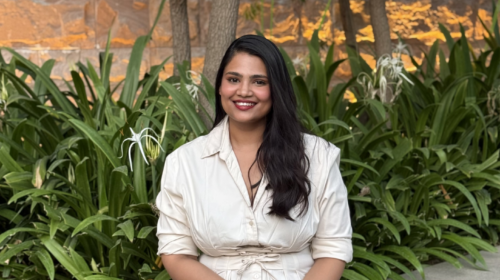
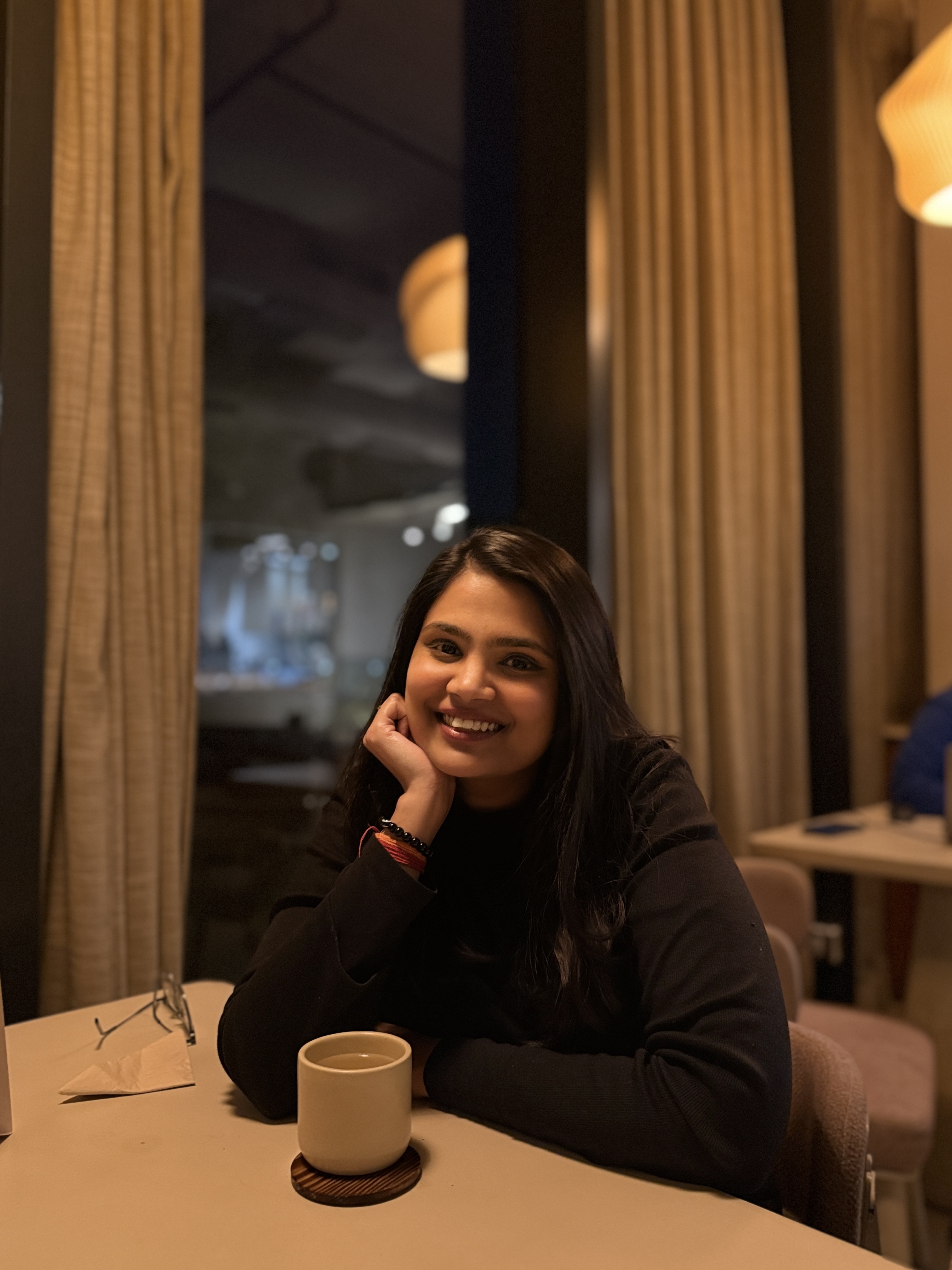
At BrilliantRead Media, we always strive to bring meaningful and inspiring stories from India and around the world to empower and motivate our growing community. As part of this endeavour, we invited Aashima Mittal for an exclusive interview with us. Aashima is an Entrepreneur and Founder & Principal Architect at Lane 7. Let’s learn more about her inspiring journey, teaching philosophy, and valuable insights.
Excerpts from our exclusive interview with Aashima:
What, for you, is the difference between a space that looks good and a space that actually feels right?
I think a space can look beautiful and still not feel like it belongs to you.
For me, a space feels right when the design works with the person using it, rather than making the person adapt to the design. Nothing feels forced, and it doesn’t feel like you’re living inside someone else’s idea of what a beautiful space should be.
That’s why I don’t think good design can be reduced to a particular style, material or aesthetic. It has to respond to the people and the way they live.
Sometimes the best compliment isn’t, “This looks beautiful.”
It’s when someone says, “This feels like me.”
That, to me, is when a space has gone beyond being well-designed and has actually become personal.
You work across residential, hospitality and commercial spaces. How do you approach projects differently when the people using them and what they expect from them are completely different?
The biggest difference is understanding what each space is being asked to do.
In residential projects, you’re designing around someone’s everyday life, their routines, habits, preferences and the little things they may not even think are important.
Hospitality is more about creating an experience for someone who may only occupy the space for a short period of time. Commercial spaces have an entirely different relationship with work, movement and interaction.
So, while the design language may change from project to project, the process starts in a similar place: understanding what the space needs to do and who it needs to do it for.
I don’t think there is one formula for good design. The context changes, the people change, and the design should respond accordingly.
You started Lane 7 in 2021. What was the reality of starting your own practice that nobody really prepares you for?
Starting a practice meant stepping into a side of architecture that you don’t really learn in architecture school.
The biggest challenge initially was building a client base from scratch. I didn’t have an established network within the industry, so I had to learn how to put myself out there, communicate what I could offer and, most importantly, build trust with potential clients.
I started taking on freelance work for a company, which became an important learning phase. It gave me a much better understanding of client conversations, business development and how to position myself skills that eventually became just as important as the design itself.
I think the biggest lesson has been that running a practice requires you to keep learning beyond your core discipline. You have to understand the business, the people and the decisions behind it, while still protecting the quality of the work.
And that balance is something I’m still very conscious of today.
When you look at your own work, how do you make sure you’re designing for the project rather than simply following what’s trending? Is there a project that particularly reflects that philosophy?
I think the easiest way to avoid designing for a trend is to begin with the project itself, not an aesthetic reference.
Every space has its own set of conditions: the client, the context and the way it will be used. Once you understand those clearly, the design decisions start to feel almost inevitable. Materials, proportions and details stop being stylistic choices and become responses.
Kaze House is a good example of this. The apartment has a very strong relationship with the city and the greenery around it, so the intention was to create a sense of calm continuity rather than compete with that backdrop or impose a predefined style on it.
The material palette was kept tactile and restrained, but each element was chosen for how it contributed to that atmosphere, not because it was trending at the time.
Trends can be a useful reference point, but they should never be the starting point of a design.
Every successful project begins with understanding people. How do you translate a client’s lifestyle, aspirations and personality into a space that feels timeless and deeply personal?
The brief is usually just the beginning. The real understanding comes from the conversations around it.
I like to understand how a client actually lives their routines, what they value, how they spend their time, how they entertain, what they need more of, and even the things they don’t think have anything to do with design.
Those details often tell you much more than a list of requirements.
At the same time, I don’t think personalising a space means translating every preference literally into the design. It’s about finding the balance between who they are and what the space needs to become.
When that balance works, the result doesn’t feel like a reflection of a particular trend or a collection of personal choices.
It simply feels like it belongs to them.
And I think that’s what makes a space timeless.
As architecture continues to evolve with sustainability, technology and changing lifestyles, what emerging trends do you believe will define the future of design?
I think we’re moving away from designing spaces for how they are supposed to look, and more towards designing them for how people actually want to live.
There is already a shift towards more personalised spaces, where individuality matters more than following a particular aesthetic. I think we’ll see more experimentation with materials, more thoughtful use of technology, and spaces that can adapt as our lives change.
But more than any particular trend, I think longevity will become increasingly important. Not just in terms of sustainability, but in creating spaces that don’t feel dated after a few years.
For me, good design should have enough character to feel relevant today, but enough restraint to still feel right years from now.
Where do you see Lane 7 five years from now? And for architects who want to start something of their own, what is one thing you wish someone had told you before you started?
I’d love to see Lane 7 grow in scale, but not simply by doing bigger projects.
I want to experiment more, work with new people, explore different kinds of projects and take on opportunities that challenge the way we currently think about design. I’d love for Lane 7 to become recognised not just for the work we create, but for the relationships we build while creating it.
As for anyone thinking about starting their own practice, I don’t think you need to have everything figured out before you begin. You learn a lot by actually doing it.
There will always be another skill to learn and another challenge to prepare for.
So start with a strong point of view, stay open to learning, and give yourself enough room to evolve along the way.
At BrilliantRead, we don’t just share startup stories; we bring you journeys that challenge perspectives, spark ideas, and fuel ambition. Every story we feature is carefully chosen to add real value, inspire action, and ignite possibility within our growing community of entrepreneurs and dreamers.
If you have a powerful story, one that can inspire, educate, or create impact, we want to hear from you.