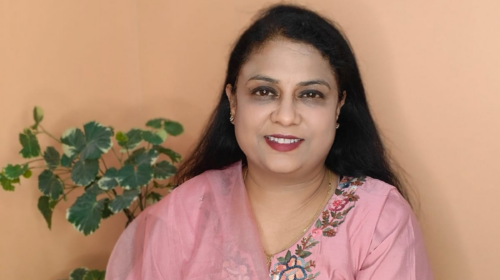
At Brilliant Read Media, it is our constant endeavour to identify and share some of the unique and compelling stories from the startup ecosystem. As part of this, we invited Annapurrna Bhatnagar for an interview with Brilliant Read Media. To say further, Annapurrna is a Clinical Dietitian, Diabetes Nutrition Expert, Wellness Coach and an Influencer. Let’s learn more about her background, inspiring journey so far and her advice for our growing community!
Excerpts from our exclusive interview with Annapurrna Bhatnagar:
What inspired you to focus on root-cause healing rather than conventional diet planning?
Early in my career, I realised that most people weren’t struggling because they lacked information; they were struggling because the real reason behind their symptoms was never being addressed.
Many clients would come seeking weight loss, but underneath, there were deeper issues like insulin resistance, chronic inflammation, gut imbalances, poor sleep, stress, nutrient deficiencies, or hormonal dysfunction.
That’s when I understood that simply handing over a diet chart was not enough. I didn’t want to create temporary results; I wanted to create a real transformation.
Root-cause healing is about understanding why the body is behaving a certain way and then helping it heal from within. That shift completely changed the way I practice nutrition today.
When a client comes with PCOD, thyroid issues, or diabetes, how do you identify the real underlying trigger?
My first consultation is never just about food.
I do a deep dive into the client’s entire lifestyle, sleep patterns, stress levels, digestion, menstrual history, cravings, energy levels, physical activity, medications, lab reports, family history, and even emotional eating patterns. Sometimes these consultations go on for more than an hour.
For example, two women may both have PCOD, but their root causes may be completely different. One may struggle with insulin resistance, while another may have chronic inflammation, poor gut health, or elevated cortisol levels due to stress.
So instead of treating the label, I focus on understanding the person behind the diagnosis. That’s where real healing begins.
Many people follow generic diets online. What are the biggest risks of a one-size-fits-all approach?
The biggest risk is that people begin treating food like a trend instead of medicine.
What works for one person may actually worsen symptoms in another. I’ve seen women with thyroid issues doing extreme fasting, people with PCOD cutting carbohydrates completely, diabetic patients following fruit-heavy detoxes, and individuals with gut issues consuming “healthy” foods that actually trigger bloating and inflammation.
Generic diets may give short-term weight loss, but without personalisation, they often lead to hormonal disruption, nutritional deficiencies, poor metabolism, and frustration.
Most importantly, these diets are rarely sustainable. People keep jumping from one trend to another without truly understanding their body’s needs.
PCOD and thyroid disorders are rising rapidly today. What are the most common mistakes people make while managing them?
One of the biggest mistakes is becoming overly focused on the weighing scale.
People often skip meals, under-eat, overexercise, or completely eliminate food groups without understanding what their body actually requires.
Another major issue is ignoring stress, sleep quality, gut health, and muscle mass, all of which play a critical role in hormonal balance.
Hormones don’t heal through starvation. They heal through nourishment, consistency, balance, and understanding of your body.
How do you balance medical science with practical lifestyle changes in your nutrition plans?
Science gives us the “why,” but lifestyle gives us the “how.”
I strongly believe in evidence-based nutrition. I use lab reports, clinical assessments, and medical history while designing plans. But at the same time, I understand that if a plan doesn’t fit into someone’s real life, it simply won’t work.
A sustainable plan for a working mother will look different from that of a student, an elderly patient, or someone managing multiple health conditions.
My goal is never to create a “perfect” plan on paper. My goal is to create a plan people can actually live with consistently.
And honestly, I focus far more on improving body composition, metabolic health, and energy levels than just reducing numbers on the scale.
What role does gut health play in reversing chronic conditions like obesity or hormonal imbalance?
Gut health is often the missing piece.
The gut influences digestion, nutrient absorption, immunity, inflammation, blood sugar regulation, and even hormone metabolism.
If the gut is inflamed or imbalanced, the body cannot function optimally even if someone is eating “healthy.”
In many of my clients, improving gut health has led to better energy, clearer skin, improved menstrual cycles, reduced cravings, better sugar control, sustainable weight loss, and even improvements in mental well-being.
The gut and the rest of the body are deeply interconnected.
Sustainable change is difficult. How do you help clients stay consistent beyond the initial motivation phase?
Motivation is temporary. Systems and habits create lasting results.
Instead of changing everything overnight, I focus on small, repeatable actions improving breakfast, increasing protein intake, fixing hydration, walking after meals, or improving sleep timing.
When clients begin noticing small wins like better energy, reduced bloating, or improved lab reports, that naturally builds motivation.
My role goes beyond being just a dietitian. I also act as an accountability partner throughout their journey.
Most people already know what they should do. What they often lack is consistency, structure, discipline, and support and that’s where professional guidance truly helps.
Can you share a transformation story that reflects the power of addressing the root cause?
One transformation very close to my heart was a client with uncontrolled diabetes whose HbA1c was above 10. She had already tried multiple diet plans and felt completely defeated.
Instead of focusing only on sugar restriction, we worked on meal timing, sleep, stress management, gut health, movement, protein balance, and sustainable daily habits.
Within just three months, her HbA1c dropped to 5.2. We were able to significantly reduce her dependency on medications while improving her overall health and confidence.
But beyond the reports, what truly mattered was that she regained her energy, confidence, and control over her life.
That, for me, is real transformation.
What are some of the biggest myths around weight loss and “healthy eating” that you often challenge?
One common myth is that eating less automatically leads to weight loss.
Another is that all “healthy” packaged foods are actually healthy.
People also believe carbs are the enemy, fats should always be avoided, fruits worsen diabetes, or supplements can replace real food.
The truth is that the body needs balance, not extremes.
Health is not built through restriction. It’s built through consistency, nourishment, and sustainability.
If someone wants to begin their healing journey today, what is the one habit you would ask them to build first?
I would first ask them to become aware of their lifestyle before trying to change everything overnight.
But if I had to choose one habit, it would be this: focus on building sustainable routines around balanced nutrition, sleep, movement, and recovery.
The way we live affects our hormones, cravings, blood sugar, energy, and even decision-making.
Healing doesn’t begin with a strict diet chart. It begins with one consistent habit repeated every single day.
Over the years, how has your definition of “health” evolved personally and professionally?
Earlier in my career, like many healthcare professionals, I viewed health mostly through measurable parameters, such as weight, BMI, calorie intake, and lab reports.
But over the years, working with hundreds of clients taught me that health is far deeper than numbers.
Today, my definition of health includes metabolic balance, emotional resilience, hormonal harmony, quality sleep, good digestion, sustainable energy, and the ability to live life without constantly feeling exhausted, restricted, or dependent on quick fixes.
I’ve seen people who appear “fit” externally but struggle internally with inflammation, gut issues, hormonal imbalances, stress, and poor relationships with food.
And I’ve also seen clients stop obsessing over the weighing scale and completely transform mentally, emotionally, and physically by focusing on healing from within.
For me today, health is not about looking healthy; it’s about truly feeling healthy.
Why do you think we are becoming sicker despite having more health information than ever before?
This is one of the biggest paradoxes of our time.
We have more health information, fitness apps, diets, and wellness content than ever before, yet lifestyle diseases are rising rapidly.
The issue is not a lack of information. It’s information overload without personalisation or understanding.
Every day, people consume conflicting advice. One trend says carbs are bad, another blames fats, one promotes fasting, while another promotes detoxes or supplements. This creates confusion and pushes people toward quick fixes rather than long-term healing.
At the same time, modern lifestyles have changed dramatically. We sleep less, sit more, experience chronic stress, eat highly processed foods, and spend less time outdoors.
I also believe many people today are trying to look healthy rather than actually be healthy.
True healing comes from understanding your own body, filtering the noise, and consistently doing the basics right.
Social media is full of nutrition advice today. How can people identify what’s science and what’s marketing?
Social media has made health information more accessible, which is wonderful, but it has also made misinformation spread faster than ever.
My simple advice is: if something sounds too quick, too extreme, or too good to be true, it usually deserves a second look.
Real science rarely promises dramatic results like “lose 10 kilos in 10 days” or “reverse every disease with one superfood.”
People should ask simple questions:
> Is this advice backed by evidence or just transformation photos?
> Is the person explaining why something works, or simply selling a product?
> Does the advice consider age, hormones, medications, lifestyle, and medical history, or is it presented as a universal solution?
Science usually comes with nuance and context. Marketing often comes with fear, urgency, and absolutes.
I also remind people not to confuse followers with qualifications. A viral reel is not automatically medically accurate.
In nutrition, what is trending is not always what is therapeutic. And what works for an influencer may not be what your body actually needs.
At BrilliantRead, we don’t just share startup stories; we bring you journeys that challenge perspectives, spark ideas, and fuel ambition. Every story we feature is carefully chosen to add real value, inspire action, and ignite possibility within our growing community of entrepreneurs and dreamers.
If you have a powerful story, one that can inspire, educate, or create impact we want to hear from you.