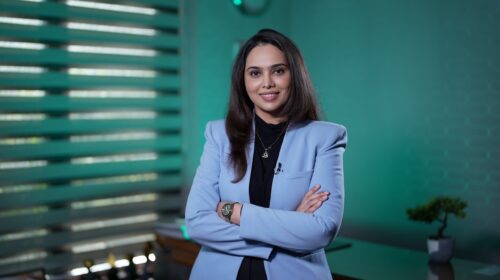
At BrilliantRead Media, we are committed to bringing meaningful and inspiring stories from India and around the world to empower, motivate and inform our growing community. As part of this endeavour, we are delighted to feature Dr. Janvi G. Tomar, MCh Plastic, Reconstructive and Cosmetic Surgeon, for an exclusive interview.
With a strong foundation in burns management, plastic and reconstructive surgery, and specialised training in cosmetic surgery, Dr. Janvi has developed a patient-centric approach that combines medical expertise, surgical precision and aesthetic understanding. Her journey reflects the importance of continuous learning, ethical practice and compassionate patient care in a specialty that can transform not only physical appearance and function but also an individual’s confidence and quality of life.
In this exclusive interaction, Dr. Janvi shares insights into her medical journey, the experiences that shaped her surgical philosophy, the importance of realistic expectations in cosmetic surgery, and the evolving landscape of plastic and reconstructive procedures. She also offers valuable advice to aspiring surgeons and individuals considering aesthetic treatments, emphasising informed decision-making, patient safety and the importance of embracing one’s individuality.
Excerpts from our exclusive interview with Dr. Janvi:
What inspired you to pursue plastic surgery, and how has your medical training shaped your approach to the specialty?
What drew me to plastic surgery was the incredible breadth of what we could achieve within a single specialty. We could restore an injured hand, reconstruct a face after trauma, or help someone address a physical concern that had affected their confidence for years. For me, plastic surgery represents a unique blend of science, precision and art. It is not just about treating a medical condition; it is about restoring confidence, identity and comfort in one’s own skin.
My three years of residency at Smt. NHL Municipal Medical College, Ahmedabad, provided me with a strong foundation in managing burns, trauma, congenital conditions and reconstructive procedures. Microvascular surgery, which involves repairing tiny blood vessels under a microscope using extremely fine sutures, taught me the importance of precision, patience and sound clinical judgement.
My cosmetic surgery fellowship further refined my understanding of aesthetic proportions and individual preferences. I believe a strong reconstructive foundation is essential to aesthetic practice because it helps us approach every procedure with a thorough understanding of anatomy, function and patient safety.
My approach has always been to understand the individual, plan carefully and recommend results that make sense for their anatomy and lifestyle.
Plastic surgery involves medical, functional and emotional considerations. How do you balance these aspects while planning a procedure?
For me, everything begins with the patient’s anatomy, safety and function. No aesthetic enhancement is worth compromising a person’s physical well-being or normal anatomy. That is non-negotiable.
At the same time, plastic surgery has a significant emotional dimension. Patients often come to us with concerns that go beyond a physical feature. These concerns may have influenced their confidence, relationships or the way they navigate everyday life.
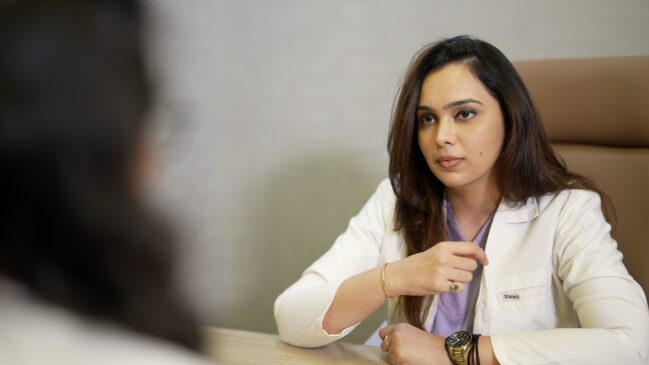
Balancing these aspects requires active listening and honest communication during consultations. I try to understand not only what a patient wants to change but also what they hope to feel after the procedure. From there, I explain what can realistically and safely be achieved, including the limitations and potential risks. My responsibility is to help patients make informed decisions that align with both their expectations and their well-being.
Your experience in reconstructive surgery must have exposed you to some challenging situations. What has it taught you about resilience, healing and the human spirit?
Reconstructive surgery makes you realise how suddenly a person’s life can change. For instance, a young patient may come in with an amputated finger. Alongside the physical injury, there are concerns about their future, their livelihood and whether they will be able to use their hand again. Our goal is to restore as much function as possible, understanding how much that recovery could mean for their independence and quality of life.
Severe burns affecting 40, 50 or even 70 per cent of the body present another level of challenge. The immediate priority is survival, but recovery can be long and uncertain. It often involves multiple procedures, rehabilitation, coordinated care and tremendous support from family members.
These experiences have taught me patience, humility and a deep respect for life. Healing does not always happen quickly, and progress is not always measured by dramatic changes. Sometimes, being able to hold an object again or return to a familiar everyday activity is a significant achievement.
As surgeons, we must recognise these milestones and remain honest and compassionate throughout the recovery journey. Resilience is often built through small steps, consistent effort and the determination to keep moving forward.
In an era dominated by social media filters and idealised beauty standards, how do you help patients develop realistic expectations about cosmetic procedures?
Social media filters and heavily edited images have certainly influenced how people perceive beauty. Patients sometimes arrive with photographs of celebrities or online personalities and ask for features that may not be compatible with their natural anatomy.
I do not discourage patients from bringing reference photographs. They can be helpful in understanding what someone finds appealing. However, I encourage them to explain what specifically attracts them to a particular look so that we can discuss how it might translate to their own features.
I also explore how long they have had the concern and whether the decision is genuinely their own. Patients should feel comfortable discussing their insecurities without being judged, while also having the freedom to reconsider their choices.
Before any procedure, I explain the likely outcome, potential complications, scars and the recovery process. We also discuss practical considerations, such as time away from work and the support they may need at home. Patients deserve sufficient time to understand the information and ask questions.
My aim is never to make someone feel that they need surgery. It is to ensure that if they choose to proceed, they do so with realistic expectations, a clear understanding of the process and confidence in their decision.
How has your aesthetic surgery fellowship under Dr. Milan Doshi influenced your surgical philosophy and approach to achieving natural-looking results?
My aesthetic surgery fellowship helped me develop a more refined understanding of proportions and the thought process behind natural-looking results. A successful aesthetic outcome requires us to consider how a change in one area will influence the overall appearance of the face or body.
For example, the same breast size or body contour can look very different on two individuals because of variations in body proportions, tissue quality, anatomy and personal preferences. Understanding these differences is essential to planning an appropriate procedure.
I spend considerable time understanding what patients want to change and, equally importantly, what they want to preserve. Their definition of an attractive result matters because beauty is highly individual.
A natural-looking outcome does not necessarily mean a minor change. It means the change is thoughtfully planned and suited to the individual. One of the most valuable lessons from my fellowship was that considered, proportionate work is often more rewarding than pursuing dramatic changes simply for their own sake.
Ultimately, I want patients to look and feel like themselves, with results that complement their features rather than overshadow their individuality.
What should patients look for when choosing a qualified plastic surgeon, and how do you build trust with those considering surgery?
Choosing a surgeon is one of the most important decisions a patient can make. I encourage people to verify the surgeon’s recognised qualifications in plastic surgery, medical registration and experience with the specific procedure they are considering.
Patients should also ask about the hospital or surgical facility, the anaesthesia team, safety protocols and the arrangements available if complications arise. Follow-up care is equally important because the surgeon’s responsibility does not end when the procedure is completed.
Beyond qualifications, the consultation itself can tell you a great deal. Are your questions being answered clearly? Has the surgeon explained both the benefits and limitations? Are potential risks, recovery time and alternative options discussed openly? Most importantly, do you feel comfortable and unpressured?
In my practice, I want patients to feel that they can ask even the smallest or most uncomfortable questions. We discuss expectations, recovery and possible complications before reaching a decision, and patients should understand how to contact the team afterwards.
For me, trust is built through transparency, realistic advice and consistent care. Patients should feel informed, respected and confident that their well-being remains the priority throughout their journey.
With advancements in minimally invasive procedures and regenerative therapies, what developments in plastic surgery excite you most about the future of the specialty?
Plastic surgery is an exciting and continually evolving specialty. I am particularly interested in advancements in minimally invasive techniques, regenerative therapies and improvements in surgical planning.
The goal is to achieve the intended correction while minimising unnecessary tissue injury and supporting safer, more comfortable recovery. Innovations that improve precision, reduce complications or help patients return to their routines sooner can make a meaningful difference.
However, I believe it is important to approach new developments thoughtfully. A technique may sound promising, but we must understand the scientific evidence behind it, its limitations and the patients for whom it is genuinely suitable before incorporating it into practice.
The future of plastic surgery lies not simply in doing more procedures or adopting newer technologies, but in improving the quality, safety and predictability of outcomes. Innovation is most valuable when it translates into tangible benefits for patients while maintaining sound medical judgement and ethical standards.
What are your long-term aspirations as a plastic surgeon, and what message would you like to share with aspiring surgeons and individuals considering cosmetic surgery?
My aspiration is to build a practice where patients feel heard, receive honest advice and know they can depend on the care they are given. Continuous learning is essential to me, and I also want to contribute through research, patient education and greater awareness of safe surgical practices.
To aspiring plastic surgeons, I would say: take your reconstructive training seriously. It provides the foundation for understanding anatomy, developing surgical precision and making sound clinical decisions. Technical skills are important, but patience, empathy, ethical judgement and a willingness to keep learning are equally essential.
To anyone considering cosmetic surgery, my message is simple: make the decision for yourself, not because of social media trends or external validation. Take time to understand your motivations, choose a qualified surgeon you trust and ask every question you need to ask before proceeding.
Surgery should never be about trying to become someone else. It should be about making informed choices that support your well-being and help you feel comfortable and confident in your own skin.
At BrilliantRead, we don’t just share startup stories; we bring you journeys that challenge perspectives, spark ideas, and fuel ambition. Every story we feature is carefully chosen to add real value, inspire action, and ignite possibility within our growing community of entrepreneurs and dreamers.
If you have a powerful story, one that can inspire, educate, or create impact we want to hear from you.