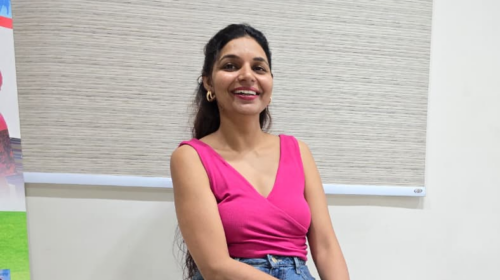
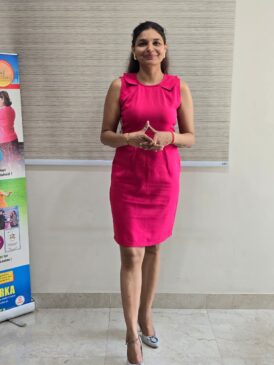
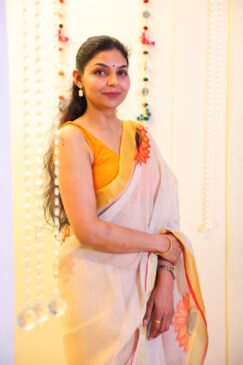
At Brilliant Read Media, it is our constant endeavour to identify and share some of the unique and compelling stories from the startup ecosystem. As part of this, we invited Neha Chandel for an interview with Brilliant Read Media. To say it further, Neha is a Family Wellness Nutritionist and Dietician. Let’s learn more about her background, inspiring journey so far and her advice for our growing community!
Excerpts from our exclusive interview with Neha:
What inspired you to become a Family Wellness Nutritionist, and how has your journey evolved over the last 10+ years of helping more than 10,000 families?
Growing up, I saw so many people around me dealing with lifestyle-related health concerns such as diabetes, high blood pressure and thyroid disorders. What stayed with me wasn’t just the disease itself, but the fact that most people started thinking seriously about their health only after they were diagnosed.
That made me wonder: Why do we wait until something goes wrong?
I’ve always believed that prevention is better than cure. That thought stayed with me and gradually became the reason I chose nutrition as my profession. I wanted to understand how our everyday choices what we eat, how we sleep and how we live can either protect our health or slowly take it away.
The more I learned about nutrition, the more I realised that food isn’t just about filling our stomachs. It can play an important role in preventing lifestyle-related health problems, improving quality of life and supporting long-term wellbeing.
When I started my career, I chose private practice because I wanted to work closely with people and become a part of their everyday journey, rather than meeting them only when they were unwell.
At that time, nutrition wasn’t given the importance it receives today. People often relied primarily on medicines and didn’t always understand the value of lifestyle changes.
Thankfully, that mindset is changing, and I’m happy to see more people taking nutrition and preventive health seriously.
Over the last decade, working with more than 10,000 families has completely shaped the way I practise. Every family has different traditions, eating habits, routines and preferences, so I don’t believe in giving everyone the same diet chart.
My aim is never to replace the food people have grown up eating. Instead, I help them make healthier choices within their existing lifestyle.
For me, that’s what family wellness is all about: creating habits that people can actually enjoy, follow and sustain for life.
PCOS and thyroid disorders are becoming increasingly common today. What do you believe are the biggest lifestyle and nutrition mistakes people unknowingly make while managing these conditions?
If I had to point out one major mistake, I’d say we’ve stopped trusting the basics.
People spend a lot of money on protein snacks, supplements and foods marketed as “healthy”, but they sleep late, barely move during the day and eat home-cooked food only occasionally.
Somewhere along the way, we’ve started believing that a packet with “high protein” written on it is automatically healthier than something as simple as dal, roti and sabzi.
Whenever someone comes to me with PCOS or thyroid concerns, I don’t immediately ask them what they’re eating. I first want to understand when they’re sleeping, whether they’re exercising, how stressed they are and what their typical day looks like.
Those answers can often tell me much more than a diet diary alone.
These conditions require consistency more than perfection. There is rarely one magical food or one magical solution that changes everything. Building sustainable routines around nutrition, movement, sleep and stress management is far more important.
Many people associate weight loss with restrictive dieting. In your experience, what does sustainable and healthy weight management actually look like?
I’ve never been a fan of diets that make people afraid of food.
Many clients come to me expecting that I’ll tell them to stop eating rice or rotis. They’re often surprised when I tell them to continue eating the food their families have been eating for years, while making smarter and more balanced choices.
I honestly think we’ve made healthy eating much more complicated than it needs to be.
If you’re eating fresh, home-cooked meals, including seasonal fruits and vegetables, moving your body every day and sleeping well, you’re already doing many things right.
Another thing I always tell my clients is not to compare themselves with others. Just because your friend lost weight following a particular diet doesn’t mean your body will respond in exactly the same way.
For me, healthy eating is not something you should be able to follow for just 30 days. It should be something you can comfortably continue five years from now.
That’s what sustainable weight management really means.
As a Child Nutrition expert, what are some common nutritional challenges parents face today, and how can they encourage healthy eating habits without creating pressure or food aversions?
One thing I hear almost every week from parents is, “My child doesn’t like homemade food.”
Children today are surrounded by advertisements, food delivery apps, colourful packaging, sugary drinks and highly processed foods. Naturally, those foods can appear much more exciting to them than simple home-cooked meals.
But I don’t think the solution is to force children to eat vegetables or create fear around certain foods.
Children learn much more from what they see than from what they are told.
If parents enjoy eating healthy food, sit together for meals and make nutritious food a normal part of everyday life, children gradually begin to accept those habits too.
I always tell parents that creating a healthy environment at home is far more powerful than giving children lectures about nutrition.
Family wellness is at the heart of your practice. Why is it important to view nutrition as a family lifestyle rather than focusing on just one individual?
I’ve realised that whenever one person in a family decides to become healthier, everyone around them is affected.
A mother may start cooking differently. Children may begin eating more fruits simply because they’re available at home. Fathers may start joining morning walks, and sometimes even grandparents become curious about making healthier choices.
That’s why I enjoy working with families rather than focusing only on individuals.
Food is something we share. We celebrate with it, sit together around it and create memories around it.
When the whole family becomes involved, healthy habits don’t feel like a burden or a punishment. They simply become a natural part of everyday life.
That, for me, is the real meaning of family wellness.
Over the years, you’ve worked with thousands of families. Could you share a memorable transformation story that continues to inspire you and reflects the impact of personalised nutrition?
One young girl will always stay with me.
She was in Class 12 when she came to me with PCOS. She hadn’t had her periods for almost a year and had already tried medications. She told me, “I don’t want another temporary solution. I want my body to heal.”
That statement stayed with me.
We decided not to make weight loss our immediate goal. Instead, we focused on building a healthier overall routine. We worked on her meals, physical activity, sleep and stress management.
For months, nothing dramatic happened on the weighing scale. But gradually, she started feeling different.
She had more energy, her skin looked healthier, she noticed inch loss and, most importantly, she felt happier and more confident.
Then one day, she called me and told me that she had got her periods naturally after almost a year.
I still remember how emotional that conversation was.
A few months later, she lost around 10 kilos. But honestly, that wasn’t the most meaningful part of her journey.
Watching her regain her confidence and learn to trust her body again meant much more to both of us.
That experience reminded me why personalised nutrition is so important. The goal isn’t simply to change a number on the weighing scale; it’s to help people build a healthier relationship with their body and their lifestyle.
With social media overflowing with conflicting diet advice, how can people identify nutrition information that is evidence-based and genuinely beneficial for their health?
Before following anyone’s advice, I think people should ask one simple question:
“What is this person’s qualification?”
Just because someone has millions of followers doesn’t automatically mean they are providing accurate nutrition advice.
Health is deeply personal. Someone else’s diet isn’t necessarily the right diet for you.
If an influencer promises that one food, one detox drink or one supplement will solve every health problem, I would encourage people to be very cautious.
It’s also important to look beyond attractive social media claims and understand whether the advice is supported by credible scientific evidence and appropriate professional guidance.
Good nutrition usually isn’t dramatic.
In fact, it’s often quite simple, which is probably why it doesn’t always go viral.
Looking ahead, what is your vision for the future of nutrition and preventive healthcare in India, and what message would you like to share with individuals striving for a healthier and happier life?
I genuinely hope we stop chasing every new health trend and start trusting simple, consistent habits again.
We don’t necessarily need complicated routines to stay healthy. Most of us simply need to focus on the basics: sleep on time, eat more home-cooked food, include nutritious foods in our daily meals, move our bodies regularly and give ourselves enough time to recover.
I also wish people would stop judging their health only through their weight.
I’ve seen people who are slim but constantly tired, don’t sleep well and struggle with their overall wellbeing. I’ve also seen people who don’t fit society’s idea of the “perfect weight” but are energetic, active and healthy.
To me, health is much bigger than a number on a weighing scale.
If you wake up with energy, enjoy your meals, sleep peacefully and have the strength to do the things you love, you’re moving in the right direction.
My message to everyone would be simple: Don’t wait for a diagnosis to start caring about your health. Start with small, sustainable changes today, because prevention begins with the choices we make every day.
At BrilliantRead, we don’t just share startup stories; we bring you journeys that challenge perspectives, spark ideas, and fuel ambition. Every story we feature is carefully chosen to add real value, inspire action, and ignite possibility within our growing community of entrepreneurs and dreamers.
If you have a powerful story, one that can inspire, educate, or create impact we want to hear from you.