
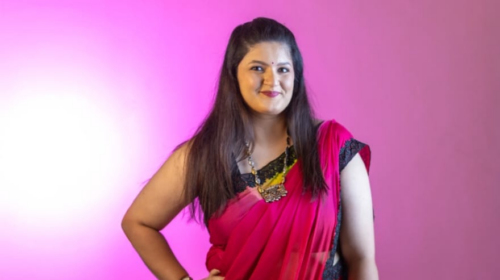
At Brilliant Read Media, it is our constant endeavour to identify and share some of the unique and compelling stories from the startup ecosystem. As part of this, we invited Dr. Pallavi for an interview with Brilliant Read Media. To say further, Dr. Pallavi is a Plastic Surgeon, Medical Aesthetics and an Influencer. Let’s learn more about her background, inspiring journey so far and her advice for our growing community!
Excerpts from our exclusive interview with Dr. Pallavi:
You started with general surgery and moved into plastic surgery. What drew you toward this field emotionally and professionally?
I’ve always been fascinated by the intersection of science, precision, and transformation. During my general surgery training, I realised that what fulfilled me most wasn’t just treating disease; it was helping people regain confidence, identity, and quality of life.
Plastic surgery is such a unique field because it beautifully combines technical skill with artistry and psychology. Whether it’s reconstruction or aesthetics, you’re not simply changing appearance; you’re often changing how someone feels about themselves.
I was especially drawn toward aesthetic medicine because I genuinely believe subtle, thoughtful enhancement can improve confidence and emotional well-being when approached ethically and responsibly.

Many people think plastic surgery is only about beauty. How would you explain the deeper impact it can have on confidence, healing, and identity?
I think people often reduce plastic surgery to vanity because they only see the external outcome. But as doctors, we witness something much deeper.
Confidence influences how people show up in relationships, careers, social situations, and even in the way they carry themselves every day. Often, a procedure isn’t about becoming someone new. It’s about finally feeling aligned with who you already are internally.
That said, surgery should never replace self-worth or mental well-being. But when approached thoughtfully, aesthetic procedures can absolutely feel empowering.
As a doctor training in plastic surgery, what has been the most challenging lesson this field has taught you so far?
One of the biggest lessons has been learning emotional resilience and humility.
Plastic surgery demands excellence at an incredibly high level technically, aesthetically, and emotionally. Very quickly, you realise that skill alone is not enough. Patience, discipline, judgment, communication, and emotional control matter just as much.
The field has also taught me how deeply personal appearance is for people. What may seem medically minor can carry enormous emotional weight for a patient.
In today’s social media era, where filters and beauty standards are everywhere, how do you help patients develop realistic expectations?
Social media has created both awareness and distortion.
On the one hand, people are more informed about treatments than ever before, which is wonderful. But on the other hand, filters and edited content have blurred the line between reality and digitally altered beauty.
As aesthetic doctors, I think we have a responsibility to educate patients honestly, especially about what is naturally and safely achievable. For me, the goal should always be enhancement, not chasing perfection or temporary trends.
View this post on Instagram
What is the biggest misconception people have about aesthetic treatments like Botox, fillers, or skin procedures?
The biggest misconception is that aesthetic treatments automatically make people look fake or overdone.
In reality, good aesthetic work is often invisible. Most people don’t notice great Botox or fillers; they simply feel someone looks fresher, healthier, or more confident.
Another misunderstanding is that these procedures are superficial. The truth is, facial anatomy, proportions, safety, and long-term planning require deep medical understanding and precision.
Have you ever had to say ‘no’ to a patient seeking a cosmetic procedure? What factors influence that decision?
Yes, and I believe saying ‘no’ is an essential part of ethical aesthetic practice.
Sometimes patients come with unrealistic expectations, signs of body dysmorphia, or emotional reasons that may not be healthy motivations for surgery. In such situations, performing the procedure could actually do more harm than good.
Patient selection is just as important as technical skill. A responsible doctor should know when not to treat.
Being a gold medalist and a surgeon requires immense discipline. What habits or mindset have helped you sustain excellence?
I strongly believe consistency matters more than intensity.
Medicine teaches discipline very quickly because the stakes and responsibilities are so high. For me, maintaining excellence comes down to continuous learning, self-awareness, and showing up even on difficult days.
I also think emotional discipline is extremely important especially in surgery. Staying calm, focused, and objective under pressure is something I consciously work on every day.
What are some non-surgical aesthetic treatments you believe are underrated but highly effective?
I think treatments focused on skin quality are often underrated compared to dramatic procedures.
Medical-grade skincare, energy-based treatments, PRP, regenerative therapies, and subtle toxin use can create incredibly natural and elegant results over time.
Personally, I’m very interested in minimally invasive and preventive aesthetics because I believe the future of beauty lies in subtle enhancement and long-term skin health, not extreme transformation.
Plastic surgery often combines science with artistry. How do you balance medical precision with aesthetic judgment?
That balance is exactly what makes plastic surgery so fascinating.
Science gives us safety, structure, anatomy, and precision. But aesthetics also requires observation, restraint, and artistic judgment because every face and body is unique.
The best results happen when technical skill is combined with an individualised approach rather than trying to fit everyone into one beauty standard.
View this post on Instagram
For young doctors or students inspired by your journey, what does it truly take to succeed in a demanding speciality like plastic surgery?
Since I’m still early in my own journey, I approach plastic surgery with a lot of honesty and respect. It’s an incredibly rewarding field, but also mentally, technically, and emotionally demanding.
For young doctors, I’d say it’s important to genuinely love the craft, not just the image associated with the speciality. The learning curve is long, and growth comes through consistency, humility, and patience.
Most importantly, build a strong sense of self outside medicine. This profession teaches excellence, but it also teaches resilience, emotional control, and adaptability. I’m still learning those lessons every day.