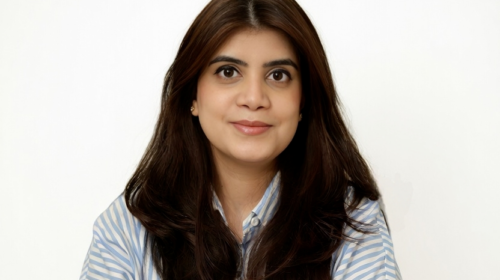
At Brilliant Read Media, it is our constant endeavour to identify and share some of the unique and compelling stories from the startup ecosystem. As part of this, we invited Mahak Kapoor for an interview with Brilliant Read Media. To say it further, Mahak is a Certified Life Coach. Let’s learn more about her background, inspiring journey so far and her advice for our growing community!
Excerpts from our exclusive interview with Mahak:
What inspired you to become a life coach, and what personal experience shaped your journey?
My journey into life coaching began with a deep curiosity about people and a genuine desire to help them navigate life’s challenges with greater clarity and confidence. Although I initially pursued commerce and considered a career in business, I soon realised my true passion lay elsewhere.
I had always been fascinated by human behaviour, and over the years, I naturally became someone that friends and family turned to for guidance or simply a listening ear. That realisation encouraged me to follow a path that felt far more meaningful.
When I moved to Vancouver, Canada, I pursued higher studies at Simon Fraser University, where I expanded my knowledge in psychology, counselling, and human development. Those experiences gave me a deeper understanding of emotional well-being, personal growth, and the complexities of the human mind.
After returning to India, I wanted to build something aligned with my purpose. Despite the challenges that came along the way, every experience strengthened my commitment to helping others recognise their strengths and create meaningful change. That eventually led me to establish my own practice as a certified life coach.
Today, I work with individuals on personal growth, confidence building, relationships, career transitions, goal achievement, and overcoming life’s challenges with greater resilience and self-awareness.
For me, life coaching is far more than a profession it’s a privilege to walk alongside people as they rediscover their strengths, unlock their potential, and build lives that are authentic, purposeful, and fulfilling.
Many people feel stuck in life. What do you think is the biggest reason behind it?
One of the biggest reasons people feel stuck is that they lose touch with who they truly are and what they genuinely want. Many become conditioned by societal expectations, past experiences, or the opinions of others, making it difficult to trust themselves and make authentic decisions.
Overthinking also plays a significant role. Many people wait for the “perfect” moment or complete certainty before taking action. They focus so much on what could go wrong that they never begin.
I believe real transformation starts with self-awareness. When individuals reconnect with themselves, challenge limiting beliefs, and recognise their own strengths, they begin moving forward with greater confidence. Often, people don’t need to become someone different; they simply need to believe they are already capable.
What are the most common limiting beliefs that prevent people from achieving their goals?
Some of the most common limiting beliefs I encounter are:
> “I’m not good enough.”
> “I have to do everything on my own.”
> “Success always has to be difficult.”
> “I need to know everything before I begin.”
> “I’m already behind compared to everyone else.”
The challenge is that people often accept these beliefs as facts instead of recognising them as learned thought patterns. These internal stories shape confidence, influence decisions, and prevent people from taking opportunities they are fully capable of handling.
One powerful realisation is that confidence rarely comes before action it grows because of action. When individuals begin questioning these limiting narratives, they create space for growth, resilience, and self-trust.
How can someone build self-confidence when they constantly doubt themselves?
Self-confidence isn’t about never feeling fear or uncertainty. It’s about developing a stronger relationship with yourself.
Confidence grows when we build self-trust by honouring our commitments, making choices aligned with our values, and recognising the challenges we’ve already overcome. Every small promise we keep to ourselves strengthens our belief in our own abilities.
It’s also important to redefine confidence. Confidence isn’t the absence of failure; it’s trusting yourself to learn, adapt, and move forward regardless of the outcome.
Many people are incredibly compassionate toward others but highly critical of themselves. Learning to offer ourselves the same kindness, patience, and encouragement we give others can dramatically improve our confidence and emotional well-being.
Stress, anxiety, and overthinking are so common today. What practical advice would you give to manage them?
Modern life often keeps us constantly busy, leading to stress, anxiety, and overthinking being almost unavoidable. One of the most effective ways to manage them is by focusing on what is within our control instead of worrying about every possible outcome.
Simple habits such as journaling, mindfulness, regular physical activity, healthy boundaries, and spending time in reflection can make a significant difference.
Many people believe slowing down means falling behind. In reality, slowing down often provides the clarity and energy needed to move forward more effectively. Rest isn’t the opposite of productivity; it’s an essential part of sustainable growth.
Most importantly, seeking support is a sign of strength, not weakness. Asking for help demonstrates courage and self-awareness.
How do you help people discover their true purpose or direction in life?
Many people think purpose is something they must suddenly discover, but I believe it’s something we gradually uncover through self-awareness, meaningful experiences, and intentional action.
I encourage individuals to reconnect with their values, strengths, interests, and the moments when they have felt most fulfilled. Instead of searching for one perfect answer, I help them focus on taking meaningful steps that align with who they are today.
One important lesson I’ve learned is that clarity often follows action, not the other way around. People don’t need to have every detail of their future figured out before they begin. Purpose grows as we continue moving forward with intention.
What is the biggest misconception people have about life coaching?
One of the biggest misconceptions is that a life coach will tell people exactly what to do or provide all the answers.
Life coaching isn’t about giving advice or fixing someone. It’s about helping individuals develop greater self-awareness, gain clarity, and make decisions that align with their own values and goals.
Another misconception is that coaching is only for people going through difficult times. In reality, coaching is equally valuable for individuals who simply want to grow, improve certain areas of their lives, or unlock their full potential.
Awareness may begin during a coaching session, but meaningful transformation happens through consistent action and the habits people build afterwards.
Can you share a transformation story of a client that inspired you?
One client came into coaching feeling isolated, overwhelmed by self-doubt, and trapped in constant overthinking. They questioned their worth, struggled to trust themselves, and found it difficult to make decisions with confidence.
Together, we worked on identifying the limiting beliefs and thought patterns that were shaping their reality. As they gradually challenged those beliefs, they began developing healthier perspectives and a stronger sense of self.
The transformation wasn’t about eliminating life’s challenges; it was about changing how they responded to those challenges. They became more confident, more self-aware, and far less controlled by fear.
Watching someone move from feeling stuck and disconnected to feeling empowered and hopeful reinforced my belief that when people change the way they see themselves, they begin changing the way they experience life.
What daily habits or mindset practices do you recommend for emotional well-being and personal growth?
Personal growth begins with the small choices we make every day.
Some of the practices I regularly recommend include journaling, affirmations, mirror exercises, mindfulness, and taking time to acknowledge personal achievements.
I also encourage people to reflect on their progress and even write appreciation letters to themselves. These simple exercises help replace self-defeating thought patterns with more supportive and empowering beliefs.
The key isn’t perfection, it’s consistency. Small daily habits, practised over time, create lasting emotional resilience and personal growth.
If someone watching this interview feels lost or emotionally drained, what is the first step they should take to change their life?
The first step is to acknowledge where you are without judging yourself.
Many people suppress their emotions or pressure themselves to have everything figured out. But meaningful change begins when we honestly accept what we’re feeling and become curious about what those emotions are trying to teach us.
Feeling lost isn’t a permanent destination. Sometimes it’s simply a sign that you’ve outgrown an old version of yourself and are preparing for a new chapter.
My message to anyone going through a difficult phase is simple: You don’t need to have your entire future figured out today. Give yourself permission to take one step at a time. Trust that clarity will come through reflection, action, and the willingness to keep moving forward.
Sometimes the smallest step you take today becomes the beginning of the biggest transformation in your life.
At BrilliantRead, we don’t just share startup stories; we bring you journeys that challenge perspectives, spark ideas, and fuel ambition. Every story we feature is carefully chosen to add real value, inspire action, and ignite possibility within our growing community of entrepreneurs and dreamers.
If you have a powerful story, one that can inspire, educate, or create impact we want to hear from you.